Background

“My clients are the experts on their own lives. My role is to offer new perspectives and tools, while leaving them complete freedom to determine what is useful to them — and what is not.”
Coaching tools and methods
Coaching is not just a conversation – it is demanding work that opens the path to lasting change and development. That is why I rely on tools that reveal leadership for what it truly is, and track change over time.
In my work, I rely on proven diagnostic tools and approaches developed over years of business and psychological practice. For years, I have been deepening my understanding of human nature – how the mind, emotions, and body function – and integrating these insights into the coaching process.
The foundations of my methodology are years of learning and experience in leadership and business. My approach is also grounded in what is natural and aligned with human physiology.

“My clients are the experts on their own lives. My role is to offer new perspectives and tools, while leaving them complete freedom to determine what is useful to them – and what is not.”
PRO — Persona–Role–Organization. My Perspective on Leadership
I approach each client from multiple perspectives. In my work, I take into account three levels: the personal (identity and personality), the relational (the life and professional roles they inhabit), and the organizational (their belonging to organizations and systems). This approach enables a deeper understanding of how context shapes a leader’s decisions, emotions, and behaviors – and how these in turn impact those around them.
This makes the coaching process more insightful and effective. The individual objective (One Big Thing Goal) remains the axis of the work – but through the PRO framework, we can pursue it more effectively by taking into account the various dimensions of the client’s life and professional practice.


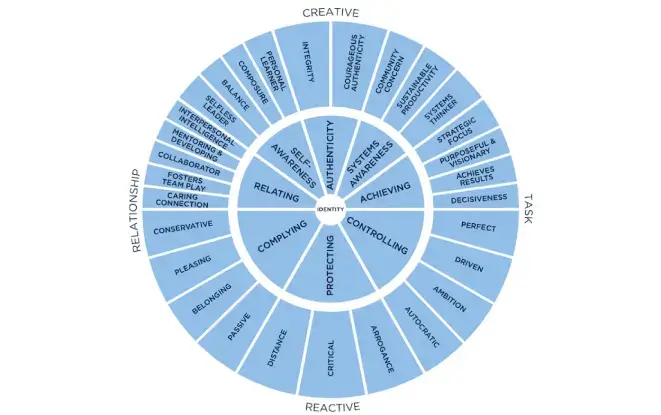
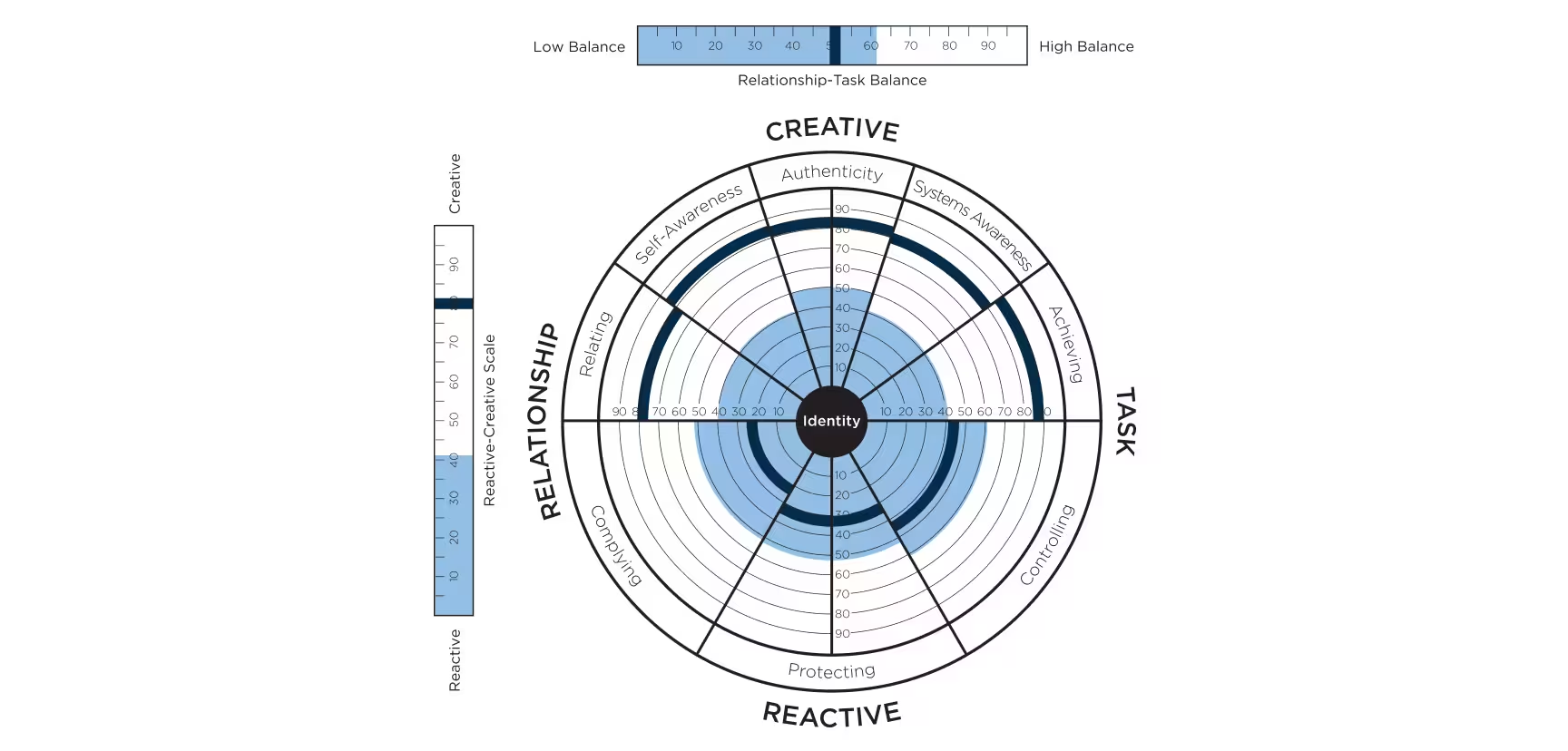
Leadership Circle ProfileTM (LCP)

Collective Leadership Assessment® (CLA)
- shows the current state of the team’s culture and climate across 31 dimensions of leadership,
- illustrates how the team envisions itself in those areas,
- enables comparison of results against a global database of thousands of teams.
Benefits for the team:
- easier adaptation to change and greater stability,
- open learning from mistakes, preventing future ones,
- bold knowledge-sharing and experimentation,
- greater initiative and accountability among team members.
PULSETM
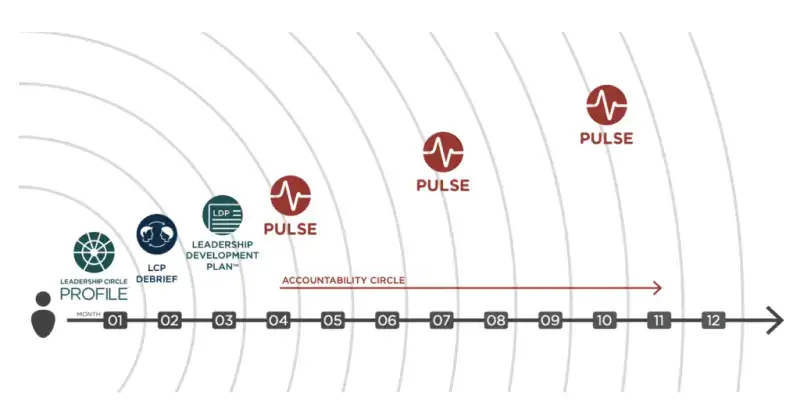
- Baseline PULSE Report – the starting point: an initial picture of behaviors and attitudes in relation to the One Big Thing Goal. At this stage, key elements are identified: one behavior that needs to stop (STOP) and one supporting behavior worth developing (START).
- Interim PULSE Report – a report generated mid-process, providing a view of progress through the eyes of stakeholders and revealing how actions taken to date translate into the achievement of the objective.
- Final PULSE Report the closing of the coaching engagement. It summarizes the entire process and reveals the degree to which the client has moved toward their One Big Thing Goal relative to the starting point.
Shoshin — "beginner's mind"

